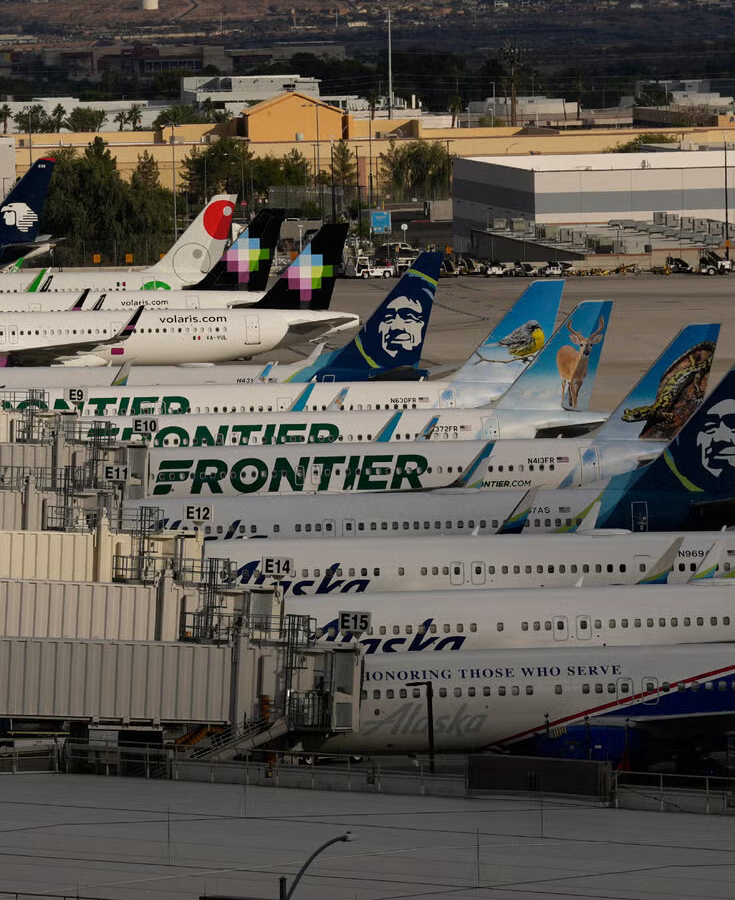
Breaking: Flights Grounded Nationwide Across the U.S. — FAA Lifts Ground Stop, Major Disruptions Continue

Latest update: The Federal Aviation Administration (FAA) lifted its nationwide ground stop at 8:15 p.m. Eastern Time (5:15 p.m. Pacific Time) on Friday, November 13. However, widespread flight delays and cancellations may continue into the weekend as airlines work to restore normal operations.
Air travel across the United States was thrown into chaos on Friday after a major air traffic control communications failure prompted the FAA to temporarily suspend departures nationwide.The unprecedented disruption affected thousands of travelers and caused significant delays and cancellations across the country’s aviation network.
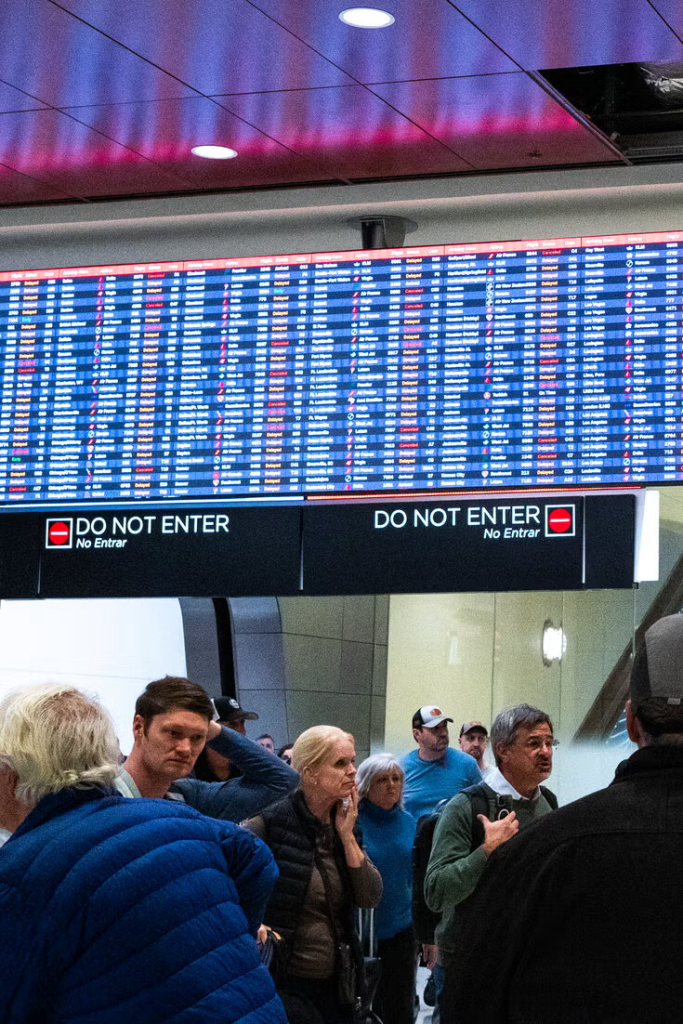
According to FlightAware data cited by ABC News, more than 2,000 flights had been canceled and over 10,000 delayed nationwide as of approximately 6:20 p.m. Eastern Time on Friday.Although the FAA has now lifted the ground stop, the return to normal operations will not be immediate. Airlines must reposition aircraft, reorganize flight crews, and accommodate passengers whose travel plans were disrupted.
If you’re flying within the United States, connecting through a U.S. airport, or traveling internationally this weekend, here’s what you need to know.
What Happened? Why Did the FAA Ground Flights Nationwide?
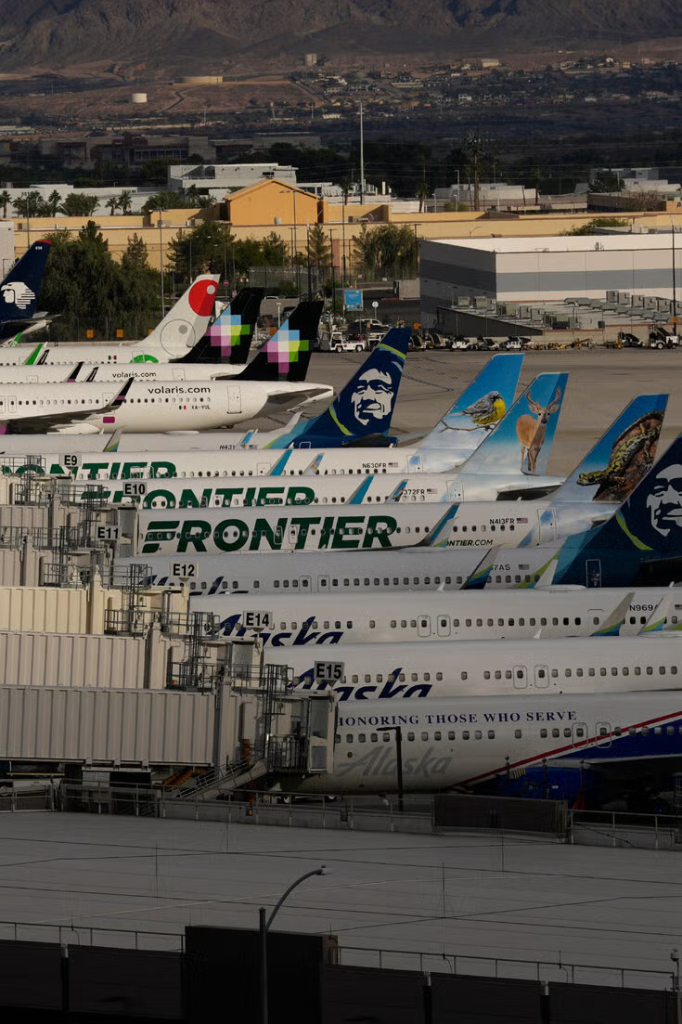
On Friday afternoon, the FAA issued a nationwide ground stop following a communications problem affecting the U.S. air traffic control system.The precautionary measure temporarily prevented most departing flights from taking off while aviation authorities worked to resolve the issue.
Importantly, a ground stop does not mean aircraft already in the air must immediately land. Flights already airborne continued operating under air traffic control guidance, while certain flights, including some international services and flights involving Alaska and Hawaii, were granted exceptions.
The Department of Homeland Security indicated that there was no evidence of malicious activity connected to the disruption.Transportation Secretary Sean Duffy subsequently pointed to aging air traffic control infrastructure and possible data overload involving routing equipment as factors under investigation.
The FAA lifted the nationwide ground stop at 8:15 p.m. Eastern Time, allowing departures to resume.However, the resulting disruption could continue affecting flight schedules well beyond Friday evening.
What Travelers Should Do Now: 7 Essential Steps
1. Check Your Flight Status Directly With Your Airline
If you’re scheduled to fly Friday evening, Saturday, or Sunday, check your airline’s official website or mobile app immediately. Pay particular attention to:
- Whether your flight has been delayed, canceled, or rescheduled.
- Changes to departure times and boarding gates.
- Whether the airline has automatically rebooked your itinerary.
- Whether a travel waiver has been issued for your flight.
Even if your flight currently appears to be operating normally, its status may change as airlines adjust their schedules.
Important: A delayed departure does not necessarily mean you should arrive at the airport later. Airlines may revise departure estimates or resume boarding earlier than expected.Unless your airline explicitly instructs otherwise, follow its official check-in and airport arrival guidance.
2. If Your Flight Is Canceled, Decide Whether to Rebook or Request a Refund
If your airline cancels your flight, you generally have two options.
Option A: You Still Want to Travel
Start by checking your airline’s app for alternative flights. Many airlines allow passengers affected by major disruptions to rebook without certain change fees, particularly when a travel waiver is in effect.
If suitable alternatives are unavailable online, contact the airline and ask about other available flights, including eligible partner-airline options.Avoid canceling your entire reservation or purchasing an expensive replacement ticket before understanding your airline’s rebooking policy.
Option B: You No Longer Want to Travel
Under U.S. Department of Transportation (DOT) rules, passengers are generally entitled to a refund to their original form of payment when an airline cancels a flight or makes a qualifying significant change and the passenger declines the alternative transportation offered.
This applies even to tickets originally sold as nonrefundable.The reason for the cancellation does not eliminate this refund entitlement.Under DOT rules, qualifying refunds generally must be processed within seven business days for credit card purchases and 20 calendar days for other payment methods.
However, if you accept and use an alternative flight, you generally cannot also claim a full refund for the transportation you received.
Official DOT guidance: https://www.transportation.gov/individuals/aviation-consumer-protection/refunds
3. If Your Flight Is Delayed, Don’t Automatically Cancel Your Ticket
A delay does not always qualify you for a refund. Under current DOT rules, a significant change generally includes a domestic itinerary arriving at least three hours later than originally scheduled or an international itinerary arriving at least six hours later.
If your flight meets the applicable criteria and you choose not to travel, you may be entitled to a refund.If you still intend to travel, however, it may be more useful to explore rebooking options first.
Be careful when accepting travel credits or vouchers.
If you’re legally entitled to a refund, you generally do not have to accept a travel credit instead of reimbursement to your original payment method.

4. Check Airline Travel Waivers Before Rebooking
Several major U.S. airlines have introduced temporary travel waivers in response to the disruption.These policies may allow eligible passengers to change their flights without standard change fees or, in some cases, fare differences.
According to ABC News’ Friday coverage:
Delta Air Lines: Delta issued a travel waiver covering eligible flights affected on Friday and Saturday, allowing qualifying passengers to make changes under the waiver’s conditions.
United Airlines: United announced a travel advisory with eligible rebooking options that may waive change fees and fare differences.
Remember: A travel waiver does not necessarily permit unlimited changes to your destination, travel dates, or cabin class. Always review the eligibility requirements, original ticket purchase dates, and rebooking deadlines before making changes.
5. Stranded Overnight? Understand Your Hotel and Meal Rights
If your flight is canceled or significantly delayed and you’re forced to stay overnight, you may be wondering whether the airline must cover your hotel, meals, and transportation.The answer depends on the circumstances. The DOT distinguishes between disruptions within an airline’s control and those caused by external factors.
Airline-controlled disruptions may include certain mechanical issues, staffing problems, or operational decisions. However, Friday’s nationwide disruption involved the FAA’s air traffic control communications system.
That means passengers should not automatically assume their airline is required to provide free hotels, meals, or transportation.
If you’re stranded overnight:
- Ask the airline whether it is offering complimentary hotel accommodations, meal vouchers, or transportation.
- If complimentary accommodations are unavailable, ask whether discounted partner hotels are available.
- Confirm whether the airline will reimburse any expenses before booking independently.
- Keep all receipts for hotels, meals, transportation, and other necessary expenses.
- Check whether the credit card used to purchase your ticket includes trip delay insurance.
Some travel credit cards provide reimbursement for eligible expenses after a covered delay.However, coverage depends on your card’s insurance terms, including the cause of the disruption, minimum delay duration, and applicable reimbursement limits.
An FAA-related communications failure may not be covered under every policy.You can review airline commitments through the DOT’s official dashboard:
https://www.transportation.gov/airconsumer/airline-cancellation-delay-dashboard
6. Connecting or Flying Internationally? Protect Your Entire Itinerary
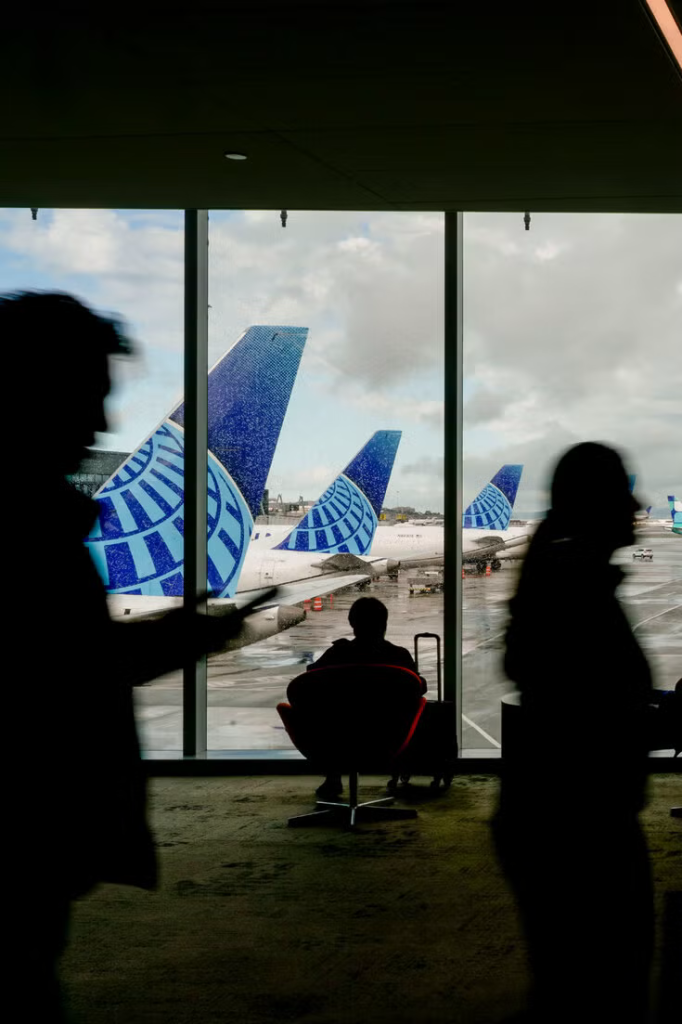
Travelers with connecting flights may face additional complications. Even if your first flight eventually departs, you could miss a connection because of schedule changes, aircraft repositioning, or crew availability.
If your flights are booked on a single ticket, contact the issuing airline to arrange alternative transportation if your connection is disrupted.
If you booked separate tickets, the situation can be more complicated.
Airlines generally have fewer obligations to protect onward flights booked under separate reservations. If you redeemed airline miles or booked through a credit card travel portal or third-party agency, confirm which company is responsible for changing your ticket.
Depending on the booking arrangement, you may need to work with the airline, the original ticket issuer, or the travel agency. Avoid canceling remaining flight segments independently without confirming how that action could affect the rest of your itinerary.
7. Don’t Forget Checked Bags, Hotels, and Ground Transportation
Flight disruptions can affect more than just your airline ticket. Before leaving the airport or changing your travel plans, check:
- Whether your checked baggage is still associated with your original flight.
- Whether your bags need to be collected and rechecked after rebooking.
- Whether your destination hotel needs to be notified of a late arrival.
- Whether rental car pickup times need to be adjusted.
- Whether prepaid tours, cruises, or other nonrefundable bookings will be affected.
If your flight is diverted to another airport, confirm your baggage arrangements and onward transportation before leaving the terminal.
Where to Check Live Flight Updates
For the latest information, use these resources:
- FAA National Airspace System Status: https://nasstatus.faa.gov
- FlightAware — Flight Tracking and Airport Delays https://www.flightaware.com
- Flightradar24 — Live Flight Tracking https://www.flightradar24.com
- U.S. Department of Transportation — Airline Refund Rights https://www.transportation.gov/individuals/aviation-consumer-protection/refunds
Although the FAA has lifted its nationwide ground stop, the disruption may continue affecting travelers throughout the weekend.
World Bluebook will continue monitoring developments and updating this article as additional information becomes available.